AERIS STORY
A Crushing Blow
Two years of pricing work had done all that it could. Then I learned the supply chain I had to change was locked in by my biggest customer.
I spent two years trying to fix my pricing. Only to realize I had to change my entire supply chain, and that it was locked by my biggest customer.
That was the biggest gut punch yet.
What I Had Been Proud Of
The box store program had been a major piece of our company for about ten years. It started when I took three stores in Las Vegas.
That was the move that changed the company. Up to that point we were Arizona-only. Three stores in Vegas forced us to become a multi-state operation for the first time. We had to figure out how to staff it, manage it, and make it work from a state away.
After we figured that out, the box store started offering us territories where they couldn't find a local operator. That took us to Reno and Lake Tahoe. Thirteen hours from home. In order to work in Lake Tahoe, we had to get a California contractor's license, which was its own piece of work. Then a year after that, we were offered stores in California. Then more California stores. Then stores in Utah.
Every new territory was the same pattern. New stores, new staff, figuring out how to make it work in a market I had no presence in. And often me moving temporarily to open the territory, build a team, and stay long enough that the local operation could run without me on the ground every day. Every new territory increased revenue, increased our risk, and increased the complexity of how we operated.
That's how four states and seven major metros happened. Not by accident. By taking the next territory the box store offered, and the next one, and the next one, and figuring out how to make each one work.
It was unusual in our industry, and unusual in the box store program specifically. Most dealers in the program ran in one market, maybe two. Building a real operation across multiple metros was hard. The logistics were unforgiving and the team management at distance was a real drain. Most dealers who tried, got their teeth kicked in, and pulled back to the markets they could actually run from where they sat.
We had figured out how to do it. We were one of the only dealers in the country running that kind of footprint inside the program, and we were running it well. It hadn't been easy. It had taken years of fighting for territory, building local teams, working out the operational systems that let us manage installs in cities where I personally couldn't be on the ground every week.
That achievement was one of the things I was most proud of about the company. When I talked to other dealers in the program, the geographic spread was the part that always came up. They wanted to know how we did it. I had spent a decade learning how to do it and it never stopped being hard.
When I sat down to plan the supply chain change, I wasn't sitting down with a discovery. I was sitting down with the business I had built, the one I knew well and the one I was proud of.
What I hadn't done was look at the business I'd built and ask what it meant for the change I now had to make.
The Lock
The box store required us to use their preferred vendor for materials. That had been part of the relationship from the start, and it wasn't news. The vendor was fine, the materials were fine, and we had built the entire operation, across all those metros, on top of that vendor relationship for ten years.
I had never considered the vendor requirement a big problem, because I had never wanted to change the supply chain before. I never had a reason to. The vendor was working, the volume was steady, the relationship was good enough. The supply chain we had was just the supply chain we had to have.
But sitting at my desk planning the next move, with Jim's framework on a piece of paper and the math from the pricing rebuild fresh in my head, I had a different question to put to the same facts.
If I wanted to fix the math, the suppliers had to change. The supplier was required by the box store. The box store was 80 percent of my revenue and the seven-metro footprint I had spent a decade building.
The thing I had been proud of building was the thing that had me trapped.
A Crushing Blow
This was a crushing moment.
Not the discovery of our situation. I knew our situation. I had spent the last decade taking huge risks and making big sacrifices to build it.
The crushing blow was realizing that I would have to completely dismantle everything I'd built.
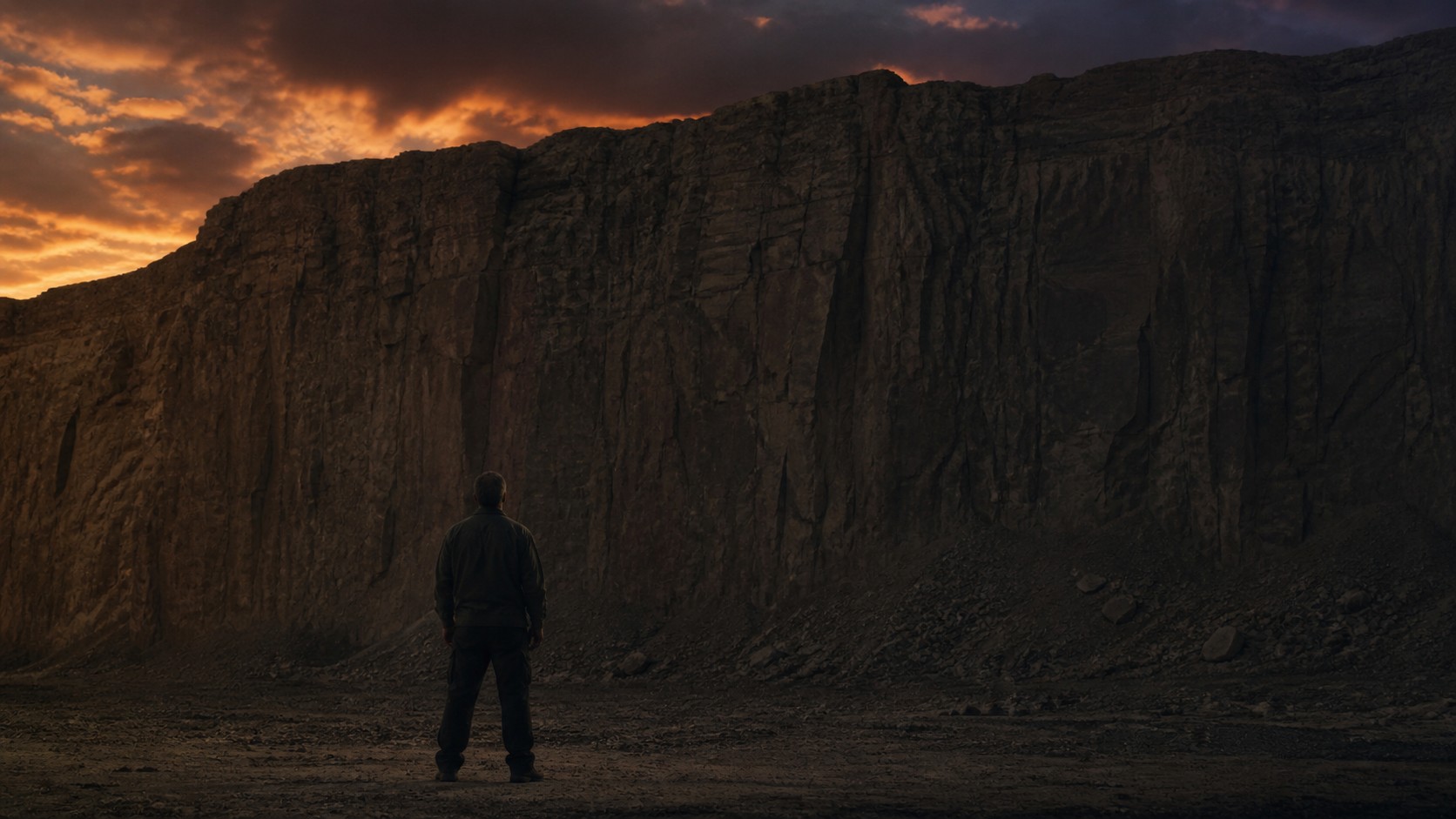
Everything we'd achieved, the seven-metro footprint, the position in the program that other dealers asked me about, the volume that had let us scale to $17 million. All of it. All of it was now the wall we had to walk into.
I had spent the previous two years thinking the rebuild was almost done. What I learned at my desk that afternoon was that the rebuild hadn't really started yet. The pricing work was the warm up. The actual transformation, the one that was going to take the company apart and put it back together, was still in front of us. And the part of the company I had been most proud of building was the part I was going to have to take apart first.
That hit harder than anything I'd faced in the two years before. Two years of pricing work was hard, but the pride had survived it. We had moved every line we could and rebuilt how we sold. We had held the line through doubt and lost reps and angry meetings. The pride in the company had taken a beating but it was still there.
What I was looking at now was different. The next round of work wasn't going to refine what we had built. It was going to take it down. And the thing it was going to take down first was the achievement that had defined a decade of my career.
What I Sat With
I didn't make the call right away. I couldn't. The decision was too big to make on my own and too big to make quickly.
It took months. Months of running the numbers, then running them again. Months of looking at the footprint and thinking about what each market was actually carrying. Months of looking at Arizona, the only retail business we had ever really built, and asking whether we could grow it past $5 to $6 million when we had never done it before. Months of thinking about the team and every single person who had bet their career on this company and what leaving the box store was going to mean for them.
I had a lot of conversations with my internal team, with my wife, with my business coach. Some were focused, some were just me thinking out loud while somebody listened. There was a lot of math and a lot of planning and a lot of worrying, and most of it happened in some combination of those conversations and quiet hours by myself trying to make sense of what I was looking at.
There were nights when the math felt obvious and the path felt clear. There were nights when I was sure I was about to make the worst decision of my career.
The doubt I had carried during the pricing work was nothing compared to the doubt I carried sitting with this. The pricing work, at least, was something I knew how to do. Take apart how we sold, rebuild what we charged, hold the line when reps pushed back. That was hard but it was knowable. It was inside the four walls of the company.
This wasn't any of that. I was looking at a decision that would touch every person, every market, every open job, every part of the operational footprint we had built. And I was looking at it without knowing whether the smaller business underneath could actually grow into what the bigger business had been.
What I Hadn't Faced Yet
What I knew, even sitting in the doubt, was that the realization was real. The supply chain lock was real, the trap was real, and the math couldn't be fixed without leaving the box store. None of that was going to change just because I wished it would.
What I hadn't faced yet was how. Once I made the decision to leave, the next question was the one that was going to define the next year of my life. Did I leave fast and break the business clean, or did I leave slowly and risk losing it anyway? There was no third option. There was no version of leaving that left the business standing the way it was.
That's the article I'm writing next.
What I'd Tell Another Operator
If you've ever sat down with the business you've built and have seen the same facts you'd been looking at for years suddenly mean something different, you know what this moment feels like. It doesn't have to be a box store. The situation changes, but the recognition is the same. The thing you were proudest of building is suddenly the thing you have to look at honestly, and the honest look hurts the most.
The hardest part isn't the math. The math is just numbers on a page. The hardest part is what the math means about the years that came before. What you did with your time, what you taught your team, what you were proud of. What the achievement was actually doing to you while you were celebrating it.
That's the part I sat with.
And then, eventually, I picked up the phone and started making the calls that would take it apart.
The next article picks up at the moment after I made the call. The two ways out of the box store, the one I picked, and the cost it carried. Read it here: No Clean Exit.
I'll keep writing as the story unfolds.